Bio-mining legacy waste: how biology speeds up excavation
Wet, poorly-decomposed legacy waste clogs screening and slows excavation. Accelerating decomposition first changes the economics.
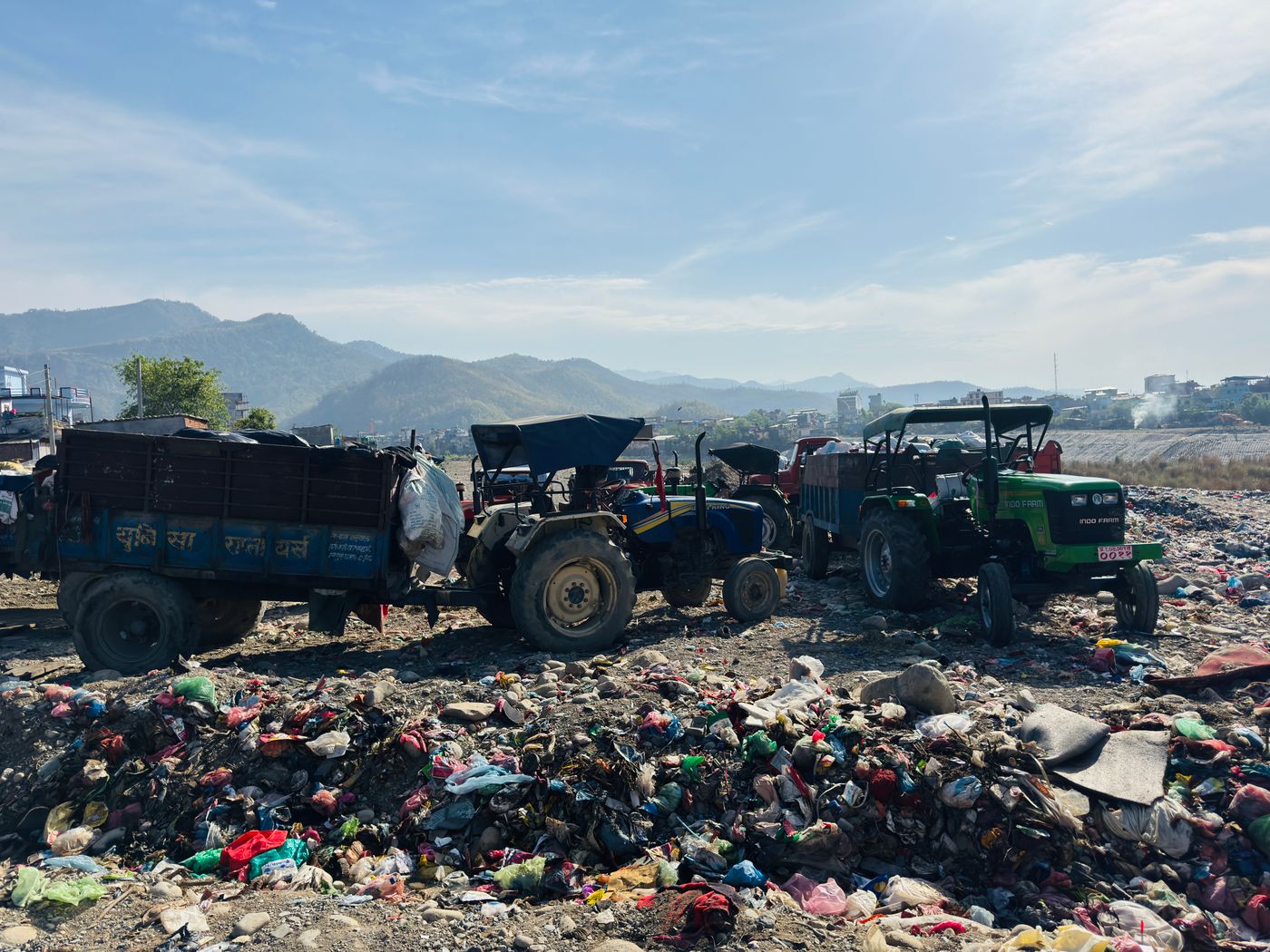
The bottleneck in bio-mining
Bio-mining reclaims land by excavating and screening old dumpsites. But if the buried waste hasn't decomposed, it's wet, heavy and jams the screening equipment — dragging timelines and margins.
Decompose, then dig
Applying a microbial accelerator ahead of the excavation face speeds decomposition and dries the material, improving downstream screening throughput and the recovery of usable fines.
A real result
At the Bhubaneswar Municipal Corporation, more than 2.25 lakh litres of OED were produced on-site to bio-mine 2,25,000 metric tonnes of legacy waste. Work estimated at 9–10 months was completed in four — after 10–15 chemical products had failed to control the site.
The economics
In solid-waste treatment, roughly ₹150 is invested per tonne. A treated tonne can reduce to ~300 kg of sellable residue — turning a pure cost centre into a modest revenue stream while odour stays controlled.
Want this outcome on your site?
Request a Pilot