Why landfills smell — and the microbial gap behind it
Odour is the biggest invisible barrier in waste management. Its root cause is the absence of a functioning microbial process.
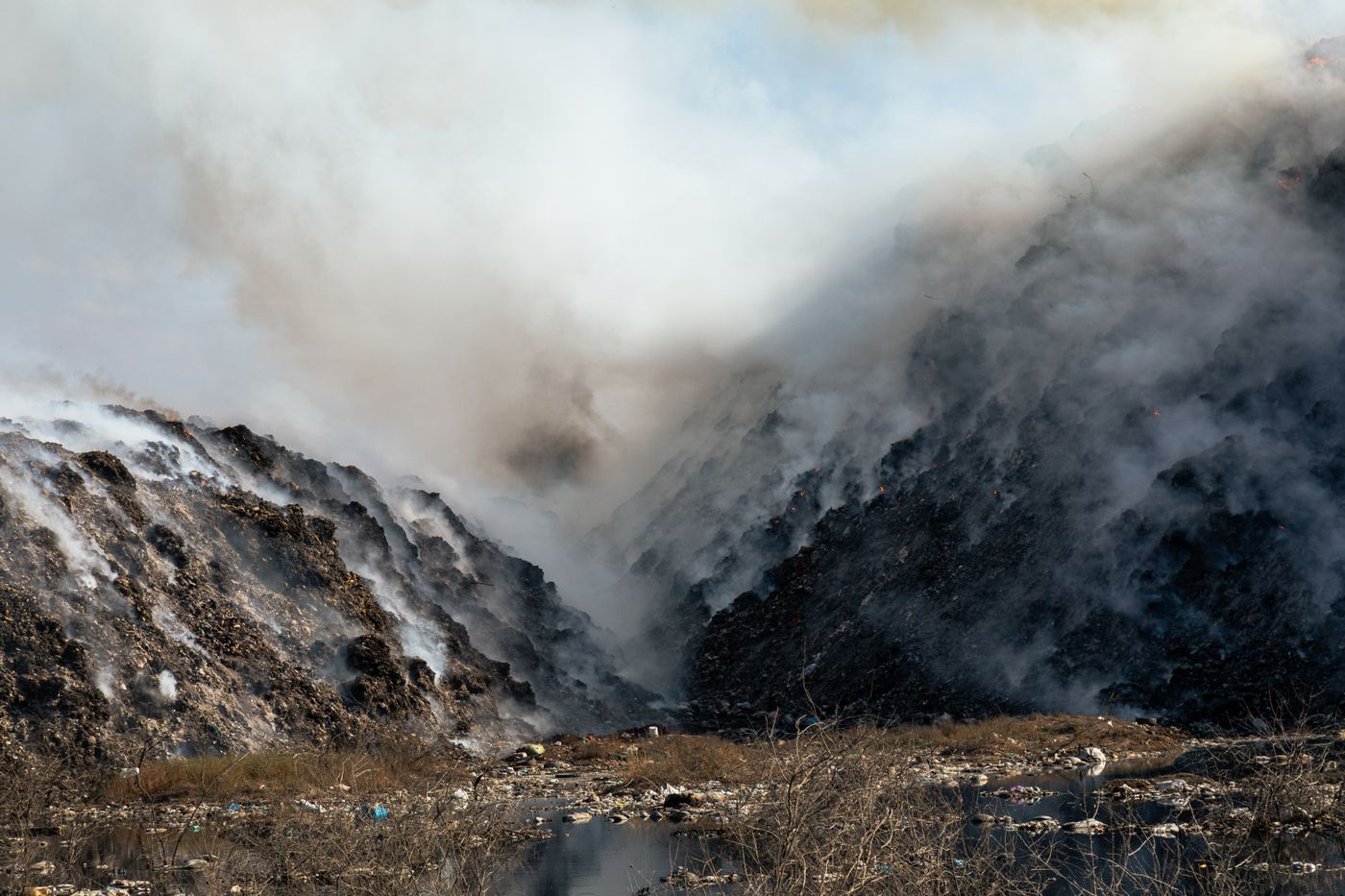
Odour is a symptom, not the disease
The stench from a landfill is the by-product of anaerobic breakdown gone wrong — organic matter rotting without the right microbial community to process it cleanly. Masking fragrances and chemical sprays treat the symptom; they do nothing about the biology underneath.
The missing microbes
Healthy decomposition depends on a diverse consortium of bacteria and fungi. In compacted, waterlogged legacy waste that ecosystem collapses, so methane, hydrogen sulphide and ammonia dominate — the gases you smell. Restore the microbes and the chemistry shifts.
What a biological fix looks like
OED re-seeds an indigenous microbial ecosystem (roughly 4×10¹² microbes per ml) across the waste. Foul smell is typically neutralised within 2–5 minutes of application, with 95% odour control on day one and 100% within a week — because the organisms driving the odour are being out-competed and the load metabolised.
Why it lasts
A biological treatment keeps working after application, forming a living bio-film layer that also reduces the odour of fresh incoming waste. That's the difference between a one-off deodorant and a self-sustaining process.
Want this outcome on your site?
Request a Pilot